
Contents
After flooding, the risk of mold growth escalates greatly, often within just 24 to 48 hours. Understanding the biology of mold and its rapid proliferation in damp conditions is essential. Ignoring this threat can lead to serious health issues and costly property damage. A professional mold assessment can provide clarity on the extent of the problem. What steps do experts take to ensure your home is safe and sound?
Key Takeaways
- Professional mold assessments enable early detection, reducing health risks and preventing extensive property damage after flooding.
- Experts utilize advanced detection techniques to identify hidden mold and moisture, ensuring thorough evaluations.
- Documented evidence from professional assessments supports insurance claims for mold-related damages, streamlining the process.
- Prompt intervention by professionals helps implement preventive measures, safeguarding homes from future mold growth.
- A mold-free environment enhances property value and promotes a healthier living space for occupants.
Understanding the Risks of Mold Growth Post-Flooding
When floodwaters recede, the hidden dangers of mold growth often emerge, posing significant health risks and structural damage to your property. Mold spores are ubiquitous, and after water damage, they find ideal conditions to thrive.
Even small amounts of moisture can trigger rapid mold proliferation, making it vital to act quickly. You mightn’t see mold right away, but it can develop within 24 to 48 hours in damp environments.
This growth can lead to respiratory issues, allergic reactions, and other health problems for you and your family. Additionally, the structural integrity of your home can be compromised as mold breaks down materials like wood and drywall.
Understanding these risks emphasizes the importance of professional mold assessment. By addressing mold concerns promptly, you’re not just protecting your property; you’re also safeguarding your family’s health and ensuring a safe, welcoming environment for everyone.
The Biology of Mold: How It Thrives in Moist Environments
Mold thrives in moist environments, where conditions like temperature and humidity align perfectly for growth.
Understanding its reproduction strategies is essential, as these allow mold to spread rapidly in your home after flooding.
Additionally, being aware of the health effects associated with mold exposure can help you take necessary precautions.
Ideal Growth Conditions
While many organisms struggle to survive in damp conditions, mold thrives in environments where moisture is abundant.
Ideal mold growth conditions typically involve humidity levels above 60%. This excessive moisture, often found in flooded areas, provides the perfect breeding ground for mold spores to settle and multiply.
In addition to high humidity, mold requires organic material, such as wood or drywall, to feed on, further enhancing its growth potential. Even minor leaks or spills can create the perfect microclimate for mold development.
Recognizing these conditions is essential for homeowners and property managers alike. By understanding how mold thrives, you can take proactive measures to prevent its spread and ensure a healthy living environment.
Prioritize mold assessment after flooding to safeguard your space.
Mold Reproduction Strategies
Although mold thrives in moist environments, its reproduction strategies are equally fascinating and complex. Mold reproduces primarily through mold spores, which are microscopic and easily airborne.
When conditions are right—like after flooding—these spores can settle on surfaces, germinate, and initiate a new reproduction cycle. This cycle involves both asexual and sexual reproduction, allowing mold to adapt quickly to its surroundings.
A single colony can produce millions of spores within days, ensuring rapid spread. Understanding these strategies is essential for effective mold assessment and remediation.
Health Effects of Exposure
When exposed to mold spores, individuals can experience a range of health effects, particularly in environments that promote mold growth, such as those affected by flooding.
Common reactions include mold allergies, which can manifest as sneezing, itching, or skin rashes. For many, these allergic responses can escalate into more serious respiratory issues, including asthma attacks or chronic bronchitis.
Mold thrives in damp conditions, making flooded spaces a breeding ground for various species, each potentially releasing harmful spores into the air.
If you find yourself in such an environment, recognizing the risks is essential. Taking proactive steps, like seeking professional mold assessment, can help protect your health and well-being, ensuring you belong in a safe, clean environment free from mold-related threats.
Signs of Mold Infestation After Water Damage
After experiencing water damage, you should be vigilant for signs of mold infestation, as it can develop rapidly in damp environments.
Identifying these signs early can help you take action and protect your home and health. Here are three key indicators to watch for:
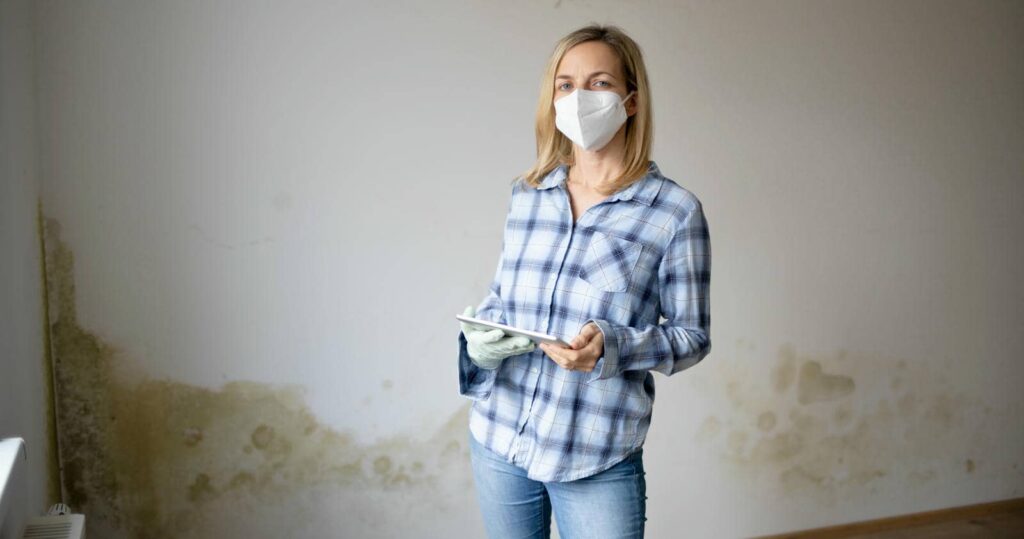
Visual Discoloration: Look for dark spots or patches on walls, ceilings, or floors. This discoloration often signals mold growth.
Musty Odors: A persistent, damp smell can indicate mold presence, even if it’s not immediately visible.
Increased Allergic Reactions: If you or your family members experience sudden allergies or respiratory issues, it could be a sign of mold spores in the air.
Utilizing effective mold detection methods during post-flood inspections can help you identify and address any mold issues before they escalate.
Stay proactive to ensure your living environment remains safe and healthy.
The Importance of Early Detection in Mold Assessment
Detecting mold early can greatly reduce health risks and property damage. When you notice signs of mold after flooding, it’s vital to act swiftly. Early intervention minimizes the potential for severe structural damage and protects your family’s health.
Mold can trigger allergies and respiratory issues, making prompt action essential. By taking proactive measures, you can mitigate the spread of mold and its associated problems.
Regular checks and assessments can help you identify hidden mold growth, especially in damp areas. This vigilance fosters a safer environment, ensuring that your home remains a sanctuary rather than a source of health concerns.
Professional vs. DIY Mold Assessment: Key Differences
When evaluating mold, the differences between professional and DIY approaches are significant.
Professionals bring specialized expertise and advanced training, while DIY methods often lack the necessary skills.
Additionally, the equipment and techniques used by experts far exceed what most homeowners have access to, affecting the accuracy of the evaluation.
Expertise and Training
While you might feel confident tackling a DIY mold assessment, the expertise and training that professionals possess can make a significant difference in accurately identifying and addressing mold issues.
Here are three key aspects to evaluate:
Mold Identification Techniques: Professionals use advanced methods to detect hidden mold, ensuring thorough inspections.
Mold Inspection Certification: Certified inspectors have undergone rigorous training, equipping them with the knowledge to recognize various mold types and their risks.
Regulatory Knowledge: Experts stay updated on local regulations and safety standards, ensuring compliance and protecting your health.
These factors highlight the value of relying on professionals for mold assessments, especially after flooding.
Their specialized skills can help safeguard your space and provide peace of mind.
Equipment and Techniques
Equipment plays an essential role in mold assessment, and the differences between professional and DIY approaches are striking.
Professionals utilize advanced mold detection technology, such as infrared cameras and moisture meters, to accurately identify hidden mold sources. They also conduct thorough air quality testing, measuring spore levels and identifying specific mold types, which DIY methods often overlook.
While you might rely on basic tools like visual inspections or home test kits, these often lack the precision necessary for effective assessment.
Professionals possess the right equipment and have the expertise to interpret results accurately. Choosing a professional assessment ensures a detailed understanding of your environment, fostering a sense of security and belonging in your home post-flooding.
Tools and Techniques Used in Mold Assessment
To effectively assess mold presence after flooding, professionals rely on a variety of specialized tools and techniques.
These tools help ensure that the environment is safe and healthy for you and your loved ones. Here are three essential items used in mold assessment:
Moisture Measurement Tools: These devices, like moisture meters, help professionals pinpoint damp areas that are prone to mold growth.
Air Sampling Pumps: Used for collecting air samples, these pumps allow experts to analyze the presence of mold spores in the air, using effective mold detection methods.
Infrared Cameras: These non-invasive tools identify temperature variations in walls or ceilings, revealing hidden moisture and potential mold hotspots.
Health Implications of Mold Exposure
After evaluating the environment for signs of mold, it’s essential to understand the health implications associated with exposure.
Mold exposure can lead to various health risks, especially for vulnerable populations like children, the elderly, or those with pre-existing respiratory conditions. You might experience symptoms like coughing, sneezing, or skin irritation, which can escalate into more severe issues like asthma or chronic respiratory diseases.
The presence of mold can also trigger allergic reactions, making it imperative to address any infestations promptly. It’s not just about immediate discomfort; long-term exposure can result in more serious health complications.
Being aware of these health implications can empower you to take action, ensuring your living environment remains safe. A professional mold assessment can identify hidden mold and mitigate these risks, so you can protect your loved ones and yourself from the adverse effects of mold exposure.
The Role of Mold Assessment in Insurance Claims
While you may focus on restoring your home after a flood, understanding the role of a professional mold assessment in your insurance claims process is essential.
A thorough mold assessment can greatly impact your mold coverage and streamline the claim process. Here’s how:
Documentation: A professional assessment provides documented evidence of mold presence, critical for substantiating your claim.
Assessment of Damage: Experts evaluate the extent of mold damage, helping you understand what’s covered under your policy.
Mitigation Guidance: A mold assessment outlines necessary remediation steps, ensuring compliance with insurance requirements.
Steps Involved in a Professional Mold Assessment
When evaluating mold after flooding, the process begins with a thorough visual inspection of affected areas.
You’ll want to pay close attention to signs of moisture and mold growth.
Following this, sample collection techniques are employed to determine the type and concentration of mold present.
Visual Inspection Process
A thorough visual inspection is the cornerstone of a professional mold assessment following flooding. By employing effective inspection techniques, you can identify potential mold growth early, ensuring safety for you and your loved ones.
Here are three essential steps involved in the visual inspection process:
Identify Visual Cues: Look for discoloration, water stains, or any unusual odors that may indicate mold presence.
Assess Affected Areas: Examine walls, ceilings, and hidden spaces like basements or attics where moisture can linger.
Document Findings: Take detailed notes and photographs of any visible mold or damage to provide a detailed overview for remediation experts.
These steps aid in detecting mold and foster a sense of community by promoting awareness and proactive measures.
Sample Collection Techniques
To effectively identify and quantify mold presence, utilizing proper sample collection techniques is essential in a professional mold evaluation. Various methods can be employed, including air sampling, surface sampling, and bulk sampling. Each technique serves a unique purpose, ensuring detailed results.
| Sampling Method | Description | Best Use Case |
|---|---|---|
| Air Sampling | Captures airborne spores | Evaluating air quality |
| Surface Sampling | Tests surfaces for mold | Identifying localized growth |
| Bulk Sampling | Collects material for analysis | Thorough evaluation |
Methods like tape lift and swab sampling offer additional precision. By carefully selecting and executing these techniques, you contribute to a thorough understanding of mold risks in your environment.
Long-Term Benefits of Professional Mold Remediation
Although you might view mold remediation as a short-term solution to a flooding crisis, its long-term benefits greatly outweigh initial costs.
Investing in professional mold remediation protects your home and enhances your well-being and finances. Here are three key benefits:
Preventive Measures: Effective remediation stops mold growth at its source, preventing future infestations and safeguarding your property.
Financial Savings: By addressing mold issues early, you avoid costly repairs and health-related expenses that can arise from prolonged exposure.
Increased Property Value: A mold-free environment enhances your home’s appeal, potentially increasing its market value.
In the end, prioritizing professional mold remediation fosters a healthier living space and supports your financial stability.
It’s a proactive approach that cultivates a sense of belonging and peace of mind.
Frequently Asked Questions
How Long Does a Professional Mold Assessment Typically Take?
A professional mold assessment typically takes one to three hours, depending on the property’s size. Using various assessment techniques, experts evaluate mold growth to ensure thorough analysis and effective remediation strategies for your space.
What Qualifications Should I Look for in a Mold Assessor?
When choosing a mold assessor, verify they have relevant mold training certifications and experience with effective assessment techniques. This ensures you’re working with someone knowledgeable, helping you feel secure in your mold remediation process.
Are Mold Assessments Covered by Homeowners Insurance?
Mold assessments can be covered by homeowners’ insurance, but it depends on your specific insurance policies. Check your policy for mold coverage details, as some might only cover damage from specific incidents.
Can Mold Assessments Detect Hidden Mold Behind Walls?
Can you imagine hidden mold lurking behind your walls? Professional mold assessments conduct thorough wall inspections, detecting these unseen threats. They ensure your home stays safe and healthy, preventing potential health risks for you and your loved ones.
What Is the Cost Range for a Professional Mold Assessment?
Mold assessment pricing typically ranges from $200 to $600, influenced by assessment factors like property size, severity, and location. Understanding these variables helps you budget effectively for a thorough evaluation and ensures peace of mind.
Summary
In the aftermath of flooding, think of your home as a delicate ecosystem. Just as a single drop of water can create ripples across a pond, a small patch of mold can quickly expand, threatening both health and property value. By investing in a professional mold assessment, you’re safeguarding your space while taking the first step in preventing a much larger problem. Early detection is your best defense against a hidden enemy lurking in damp corners.
Recent Posts
What Repairs Stop Mold After Water Damage
To Stop Mold After Water Damage, you need to fix the moisture source first, then
Why Does Leak Water Damage Cause Mold?
Like a slow leak in a ship’s hull, water damage in your home keeps feeding
Ceiling Leak Water Damage Mold Repair Guide
You notice a ceiling stain the same day a drip starts, and that coincidence matters