
Contents
After water damage, detecting black mold is essential to ensure your home remains safe. You might notice musty odors or see discoloration on walls, but these signs can be subtle. It’s important to conduct thorough inspections in areas prone to moisture. If you think you’ve spotted mold, knowing how to assess the situation accurately can make all the difference. Let’s explore the critical steps you need to take to identify and address mold effectively.
Key Takeaways
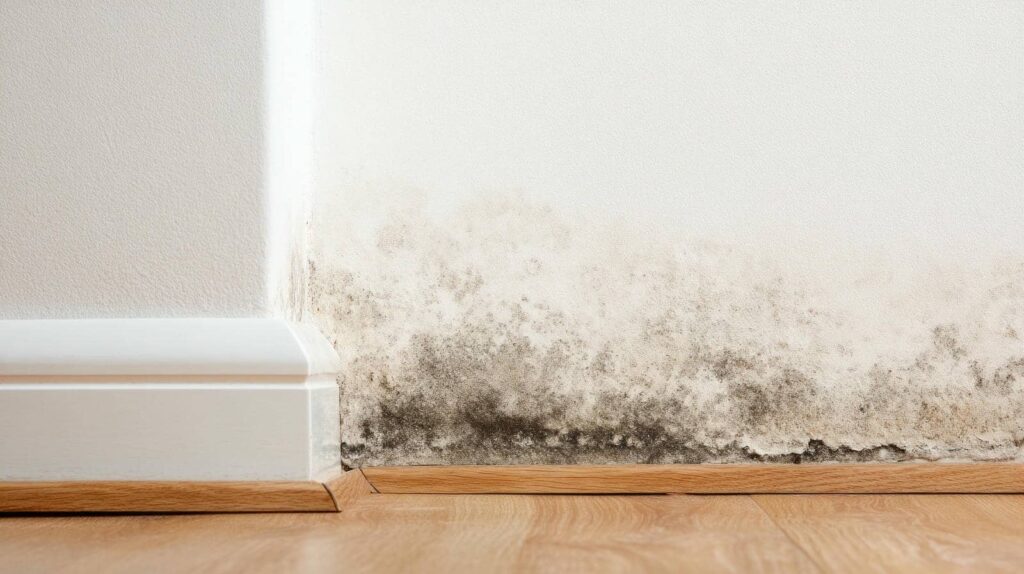
- Look for visible signs of mold, such as discoloration, dark spots, or fuzzy growth on surfaces after water damage occurs.
- Check for musty odors in areas affected by water damage, as they often indicate hidden mold presence.
- Conduct a visual inspection of moisture-prone areas, including kitchens, bathrooms, and basements, for potential mold growth.
- Utilize moisture meters to assess dampness levels in walls and surfaces, identifying areas at risk for mold.
- Seek professional mold assessment services if mold is suspected, as experts can accurately detect and remediate the issue.
Understanding Black Mold and Its Risks
Although black mold, scientifically known as Stachybotrys chartarum, often thrives in damp environments, understanding its presence and potential health risks is crucial for maintaining a safe living space.
Exposure to black mold can lead to various health implications, including respiratory issues, skin irritation, and, in severe cases, neurological problems. Recognizing these risks is essential for you and your loved ones.
To prevent black mold growth, implement effective prevention strategies. Start by controlling humidity levels in your home; keep indoor humidity below 60%.
Ensure proper ventilation in areas prone to moisture, such as bathrooms and kitchens. Regularly inspect for leaks and promptly address any water damage.
If you suspect mold presence, act quickly to remediate the issue. By taking proactive steps, you foster a healthier environment, reducing health risks associated with black mold and promoting a sense of safety and well-being in your home.
Signs of Water Damage in Your Home
Identifying signs of water damage in your home is vital for preventing mold growth and safeguarding your health.
Pay close attention to these indicators:
Water Stains: Look for dark spots or discoloration on ceilings and walls. These stains often signal moisture problems that need immediate attention.
Peeling Paint: If you notice paint bubbling, cracking, or peeling, it’s a strong indication of underlying moisture issues.
Musty Odors: A persistent damp smell can suggest hidden water damage, making it essential to investigate further.
Common Areas for Mold Growth After Water Damage
After experiencing water damage, you’re likely to find mold in specific areas of your home.
Damp basements and crawlspaces, leaky roof sections, and bathroom fixtures are prime locations where mold can thrive.
Identifying these spots early can help you mitigate the risk of black mold growth.
Damp Basements and Crawlspaces
When your home experiences water damage, damp basements and crawlspaces often become prime breeding grounds for black mold.
These areas typically maintain damp conditions, making them susceptible to mold growth if not properly treated.
To ensure effective mold prevention, consider the following:
Ventilation: Improve airflow to reduce humidity levels.
Dehumidification: Use dehumidifiers to extract excess moisture.
Waterproofing: Seal cracks and apply waterproof coatings to prevent future leaks.
Leaky Roof Areas
Leaky roof areas are among the most common sites for mold growth, especially following water damage. If you suspect a leak, it’s essential to conduct a thorough roof inspection.
Look for visible signs like water stains on ceilings or walls, indicating moisture infiltration. These stains can serve as warning signals that mold may already be developing in hidden areas.
Moisture accumulation creates an ideal environment for mold spores to thrive, often in the insulation or wooden structures beneath the roof. Regular inspections and prompt repairs can help prevent mold growth and protect your home’s integrity.
Bathroom Fixtures and Walls
Since bathrooms are often exposed to high levels of humidity and moisture, fixtures and walls become prime targets for mold growth, particularly following water damage.
To combat this, ensure you maintain proper bathroom ventilation and consider using mold-resistant materials during renovations.
- Regularly check for leaks around fixtures.
- Install exhaust fans to reduce humidity.
- Use mold-resistant paint and drywall.
Visual Inspection Techniques for Mold Detection
Although mold can thrive in hidden areas, a thorough visual inspection is essential for early detection. Start by examining areas prone to moisture, like bathrooms, kitchens, and basements. Look for visual cues such as discoloration, dark spots, or fuzzy growth on surfaces. These signs often indicate mold presence.
Use inspection tools like flashlights to illuminate dark corners and moisture meters to assess dampness levels in walls and ceilings. Pay attention to any musty odors, as they can signal hidden mold.
Don’t forget to inspect behind appliances and under sinks, where leaks may occur. Remember to check HVAC systems, as they can circulate mold spores throughout your home.
Using Moisture Meters to Identify Hidden Mold
To effectively identify hidden mold, you need to understand the different types of moisture meters available and their specific applications.
Proper usage techniques are essential for obtaining accurate readings, which can indicate potential mold growth areas.
Once you have the readings, interpreting them correctly will guide your next steps in mold remediation.
Types of Moisture Meters
Moisture meters are essential tools for identifying hidden mold, and there are primarily two types: pin-type and pinless meters. Each type serves a unique purpose, making it important to understand their differences.
Pin-type meters use sharp electrodes to penetrate materials, providing accurate moisture readings for specific areas.
Pinless meters, often digital meters, utilize electromagnetic signals to measure moisture content without damaging surfaces.
Both types can help you detect moisture levels that may contribute to mold growth.
Choosing the right moisture meter type is vital for effective mold detection. By understanding these tools, you can confidently assess moisture levels and take necessary action to protect your home from potential mold issues.
Proper Usage Techniques
When using moisture meters to detect hidden mold, it’s crucial to follow specific techniques to ensure accurate readings. Start by checking areas prone to moisture, like basements or around water-extraction points. Verify the meter’s probes are clean for precise results. Take multiple readings in different spots to confirm moisture levels. Remember, high moisture readings often indicate potential mold growth, necessitating mold remediation.
| Area Tested | Moisture Level (%) | Action Required |
|---|---|---|
| Basement Wall | 20-30 | Monitor & Inspect |
| Bathroom Ceiling | 30-50 | Immediate Remediation |
| Kitchen Cabinets | 15-25 | Regular Checks |
| Attic Insulation | 25-40 | Consider Mold Remediation |
| Crawl Space | 30+ | Urgent Water Extraction |
Interpreting Moisture Readings
Interpreting moisture readings accurately is essential for identifying hidden mold effectively. By using moisture meters, you can detect elevated moisture levels that might indicate mold growth. Employ proper reading techniques to ensure reliable results.
Know your baseline: Establish normal moisture levels for your environment before testing.
Test multiple areas: Check different surfaces, including walls, floors, and ceilings, to get a thorough view.
Monitor over time: Regular readings can help identify patterns and potential problem areas.
When you understand how to interpret these moisture readings, you’ll be better equipped to tackle mold issues before they escalate.
Air Quality Testing for Mold Spores
Air quality testing for mold spores is essential for identifying potential health risks in indoor environments. By conducting thorough testing procedures, you can measure airborne spores that may pose a threat to your well-being.
These tests often involve air sampling, where a device collects air from your living space to analyze the concentration of mold spores present. Understanding the types and levels of mold can help you make informed decisions about remediation.
If the results show elevated levels of certain spores, it might indicate a larger issue that needs addressing. You should also consider environmental factors, such as humidity and temperature, as they can influence mold growth.
Regular air quality testing safeguards your health and promotes a sense of belonging in a safe, clean home. By staying proactive, you create a healthier environment for yourself and those you care about.
Professional Mold Assessment Services
After identifying potential mold spores through air quality testing, engaging professional mold assessment services is a key step to ensuring a safe living environment.
These experts conduct thorough inspections and provide valuable insights into the extent of the mold problem. By utilizing advanced mold remediation techniques and environmental health assessments, they can identify hidden mold sources and recommend effective solutions tailored to your space.
- Extensive evaluations of affected areas
- Identification of mold growth risks and sources
- Guidance on remediation strategies and next steps
Using professional services ensures you’re treating the symptoms and addressing the root causes of mold growth.
This proactive approach protects your health and enhances your living space, fostering a sense of security and well-being for you and your loved ones.
Investing in these services is an essential step toward restoring your home to a safe and healthy environment.
Steps to Take if Mold Is Detected
When mold is detected in your home, taking immediate action is vital to prevent further growth and potential health risks.
First, identify the source of moisture and address it to stop mold from spreading. Next, isolate the affected area by closing doors and covering vents to minimize spores’ circulation.
Wear protective gear, including masks and gloves, before beginning mold remediation. Clean non-porous surfaces with a solution of water and detergent, or consider using specialized mold removers.
For porous materials like drywall or carpet, removal and replacement may be necessary.
Once you’ve cleaned or removed affected materials, dry the area thoroughly to discourage future growth.
It’s important to monitor for any lingering musty odors or visible mold, as these may indicate incomplete remediation. If the mold problem is extensive, enlist professional help to ensure safety and address potential health effects effectively.
Frequently Asked Questions
Can Black Mold Cause Health Issues in Pets?
Yes, black mold can cause health issues in pets. Mold exposure may lead to respiratory problems, skin irritation, and allergies. Protect your pet’s health by ensuring a mold-free environment and seeking veterinary advice if needed.
How Long Does It Take for Mold to Grow After Water Damage?
Mold growth timeline varies, but it usually starts within 24 to 48 hours after water exposure. Environmental factors like humidity, temperature, and material type greatly influence how quickly mold develops in your space.
Is All Mold Dangerous, or Just Black Mold?
Not all mold types are dangerous, but some can pose significant health risks. While black mold is notorious, other molds can also trigger allergic reactions or respiratory issues. It’s crucial to identify and address all mold.
Can I Remove Black Mold Myself Safely?
You can remove black mold yourself safely, but you must follow proper mold removal techniques and take necessary safety precautions. Always wear protective gear, ensure adequate ventilation, and consider consulting a professional for extensive infestations.
What Are the Costs Associated With Professional Mold Removal?
When considering mold removal, professional services typically range from $500 to $6,000, depending on the severity and area affected. Investing in experts ensures thorough removal, reduces health risks, and prevents future mold growth.
Recap
Detecting black mold after water damage isn’t just about preserving your home; it’s about safeguarding your health and well-being. By being vigilant and proactive, you can prevent the silent invader of mold from taking hold. Remember, your living space should be a sanctuary, not a source of worry. Don’t let hidden dangers lurk in the shadows—take action now, because a safe home is a happy home. Your health deserves nothing less.
Recent Posts
5 Tips for Emergency Flood Cleanup and Mold Remediation
Emergency Flood Cleanup is essential because after a flood, mold can start growing sooner than
5 Emergency Flood Cleanup and Mold Remediation Tips
When floodwater hits, you need to move fast, but you also need to move in
7 Best Solutions for Fire Damage Cleanup and Repair
A home after a fire is like a book with torn pages, each scar telling