
Contents
After a flood, mold can begin growing in as little as 24 to 48 hours when moisture and conditions are favorable, especially in water-damaged homes. Mold Remediation After Flood involves identifying affected materials, containing contamination, removing materials that cannot be safely restored, drying hidden moisture, and verifying that the structure has been properly addressed. The process may look straightforward, but the real challenge is finding where water lingered and determining what it has already damaged.
Key Takeaways
- Mold remediation after a flood is the process of removing water-damaged, mold-contaminated materials and cleaning affected areas safely.
- It includes drying structures quickly to stop mold growth and prevent further spread into walls, flooring, and insulation.
- Professionals use containment, negative air pressure, and HEPA filtration to control spores during cleanup.
- The process starts by stopping the water source, then removing saturated drywall, debris, and porous items that cannot be cleaned.
- After restoration, humidity should stay below 60%, and any musty odors or dampness should trigger immediate inspection.
What Flood Mold Remediation Involves
Flood mold remediation involves identifying all water-damaged materials, removing contaminated porous items, and drying the affected structure before mold can spread further.
You then inspect framing, subflooring, insulation, and contents to determine what you can clean or must discard. Technicians use containment, negative air pressure, HEPA filtration, and controlled demolition to limit airborne spores.
They select remediation techniques based on moisture levels, material porosity, and the mold types present, then clean salvageable surfaces with approved agents.
You’ll also need to verify drying with meters and restore indoor humidity to safe ranges.
This process helps you protect your space, support everyone’s health, and return your home to a stable, usable condition with confidence.
Signs Your Flood Damage Has Turned Moldy
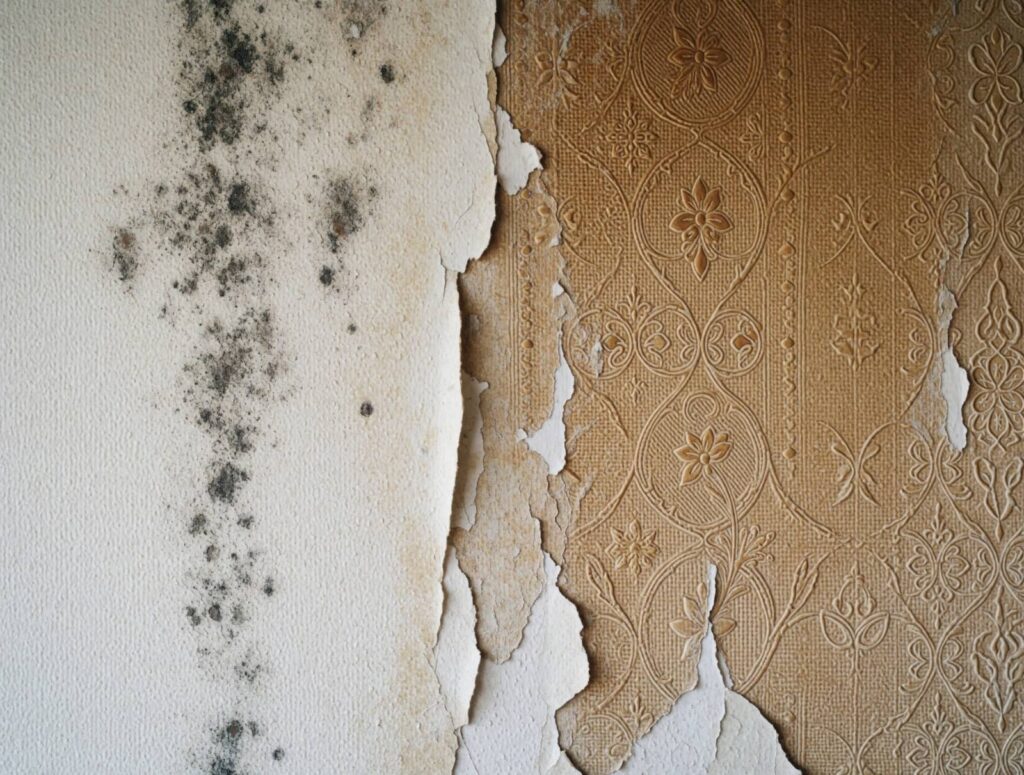
Once the visible water is gone, mold can still take hold within 24 to 48 hours in damp materials and hidden cavities. You may notice a musty odor, dark spotting on drywall, or fuzzy growth on wood, fabric, and insulation.
Paint that blisters, warps, or stains often signals trapped moisture and active colonization. If surfaces feel damp long after drying should’ve occurred, treat them as suspect.
Your mold identification process should also include checking HVAC vents, baseboards, and behind furniture for discoloration or dust-like residue. These signs matter because they point to hidden contamination and health risks, especially for people with asthma, allergies, or weakened immunity.
When you recognize these indicators early, you protect your household and support a safer recovery path.
Emergency Steps for Flood Mold Cleanup
Act quickly to limit mold spread and reduce structural damage after floodwater exposure. You should cut electricity to affected areas, then enter only if flood safety conditions are confirmed.
Wear gloves, boots, and an N95 respirator to protect mold health. Open windows and doors if weather allows, and run fans only when moisture won’t move into clean rooms.
Remove wet personal items, paper goods, and porous materials that can’t be cleaned safely. Separate contaminated belongings from dry ones, and seal debris in heavy bags.
Photograph damage for records, then contact your insurer and a qualified restoration team. Keep children, pets, and anyone with asthma away from the area.
Dry the space fast, clean hard surfaces with detergent, and monitor humidity to prevent regrowth.
How Pros Dry And Remove Flood Mold
Professionals start by stopping moisture at the source, then use truck-mounted extractors, weighted vacuums, and commercial dehumidifiers to pull water out of materials and the air.
You’ll see them map wet zones, remove saturated drywall, and expose hidden cavities so drying techniques can reach every surface.
They monitor moisture with meters, adjust airflow, and target framing, subfloors, and insulation until readings drop to safe levels.
When mold growth is present, they contain the area, remove contaminated porous items, and clean nonporous surfaces with approved agents.
You stay informed because each step is documented, from initial extraction through final inspection.
This disciplined process helps you feel confident that your home’s structure is being dried thoroughly and that flood mold isn’t lingering in concealed spaces.
How To Prevent Mold After Restoration
After restoration is complete, you need to keep indoor humidity low and prevent new moisture intrusion so mold can’t return. You should run dehumidifiers, verify HVAC airflow, and monitor relative humidity below 60%.
Use moisture meters to inspect walls, subfloors, and insulation after rainfall or plumbing leaks. Seal gaps around windows, roofs, and foundations, and repair any drainage problems fast.
Replace wet filters, clean condensate lines, and keep vents unobstructed so air moves freely. These mold prevention tips work best when you combine them with proven drying techniques and routine checks of hidden spaces.
If you notice musty odors, staining, or dampness, act immediately and contact a qualified professional. Staying vigilant helps your home stay safe, dry, and comfortable for everyone.
Frequently Asked Questions
Does Homeowners Insurance Cover Mold Remediation After a Flood?
Usually not—your homeowners insurance often excludes flood-caused mold unless you have separate flood coverage. Review your policy, document damage fast, and use mold prevention tips during flood damage restoration to limit losses and protect coverage.
How Long Does Flood Mold Remediation Usually Take?
You’ll usually need 3–7 days for flood recovery mold remediation, though severe cases can take weeks. You’ll dry materials, remove affected items, and verify mold prevention so your space feels safe again.
Can I Stay in My Home During Mold Remediation?
Usually, you shouldn’t stay during remediation unless professionals isolate the area; you’ll reduce health risks and stay safe. If containment, ventilation, and PPE aren’t adequate, leave until the work’s complete and air testing passes.
Is Mold Remediation Different From Regular Mold Cleaning?
Yes—you’ll find mold remediation differs from regular mold cleaning like surgery differs from first aid. You address mold growth at its source, then use a controlled remediation process to remove, dry, and prevent recurrence.
What Certifications Should a Mold Remediation Company Have?
You should choose a company with IICRC mold remediation certification, EPA-aligned training, and licensed contractors. Those credentials prove certification importance and validate mold removal techniques, giving you confidence you’re working with skilled, compliant professionals.
Summary
Flood mold remediation after a flood is your reset button: you remove contaminated materials, dry every hidden cavity, contain the affected area, and verify that no moisture remains. If you act fast, you stop mold before it spreads like an unwelcome guest with no exit plan. By controlling humidity, repairing water entry points, and monitoring for recurrence, you protect both your structure and your health, restoring a safer, cleaner indoor environment.
Recent Posts
3 Ceiling Leak Cleanup and Repair Steps
When you find a ceiling leak, you need to act in a specific order to
Mold Cleanup After Roof Water Damage
When you spot mold after roof water damage, you need to act fast, but not
3 Tips for Leak Water Damage Repair
When you spot a leak, you need to stop the water source fast and shield