
Contents
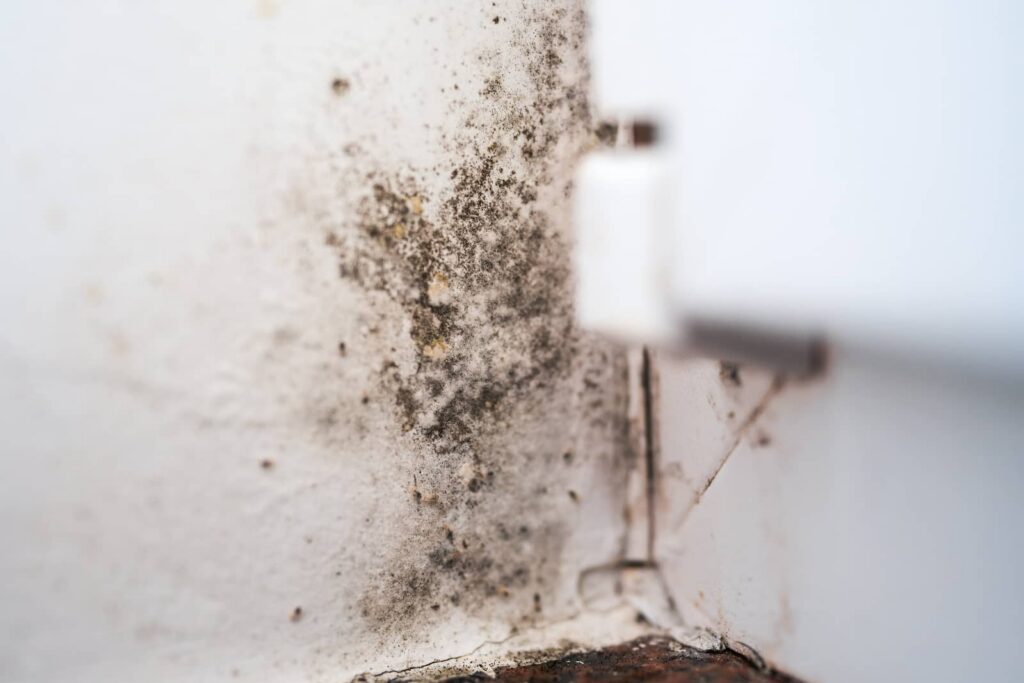
When you notice a soot-like odor without a clear fire source, you may be dealing with hidden moisture, trapped contaminants, or early mold growth. Soot Odors Signal Mold Damage when water-damaged materials contain organic residue that contributes to a stale or smoky smell, especially inside wall cavities and ceiling voids. If the odor persists or returns after cleaning, the problem may not be surface-level. The next step is identifying the moisture source and determining what is actually causing the odor.
Key Takeaways
- Soot-like odors can come from hidden moisture, not just smoke, because damp materials release stale, acrid smells as they decay.
- Mold damage often smells musty, earthy, or smoky when moisture is trapped in drywall, insulation, or fabrics.
- Persistent odor after cleaning usually means hidden wet areas are still feeding microbial growth behind surfaces.
- Increased humidity, poor ventilation, or recent water intrusion can make mold odors stronger and spread through air pathways.
- If soot odors intensify near vents or walls, inspect for leaks, condensation, and concealed mold in porous materials.
What Soot-Like Odors Usually Mean
A soot-like odor usually points to lingering combustion residues, overheated materials, or microbial contamination in hidden damp areas, so you should treat it as a diagnostic clue rather than a superficial smell.
You can narrow likely soot sources by checking whether the scent sharpens near vents, insulation, fabrics, or electrical components.
Pay attention to odor characteristics: a dry, acrid note often signals residue, while a stale, smoky edge can indicate trapped contamination in porous materials.
If you detect the smell consistently, you’re likely dealing with an indoor issue that’s spreading through air pathways, not a random nuisance.
Trust that pattern and document where the odor intensifies; that record helps you communicate clearly with inspectors, technicians, or restoration pros who’ll want the same evidence you do.
How Water Damage Causes Musty Smoke-Like Smells
When water intrudes behind walls, under flooring, or into insulation, it creates hidden moisture sources that can produce a musty, smoke-like odor.
You can get mold growth triggers fast when humidity stays elevated and organic materials remain damp.
If the smell persists after drying, the odor itself is a strong clue that moisture remains trapped somewhere in the structure.
Hidden Moisture Sources
Hidden moisture sources often produce a persistent musty odor that people mistake for smoke because trapped water feeds microbial growth and releases volatile compounds into porous materials.
You can trace this issue with moisture detection tools that reveal hidden leaks behind walls, under floors, and inside insulation. When you join others who act early, you protect shared spaces and reduce costly surprises.
- Check plumbing chases, appliance lines, and roof penetrations.
- Inspect baseboards, ceilings, and HVAC returns for damp staining.
- Use thermal imaging or meters to confirm concealed wet areas.
These signs point to water intrusion, not soot. If you respond quickly, you’ll identify the source, limit structural damage, and restore a cleaner indoor environment that feels safe for everyone in your home or workplace.
Mold Growth Triggers
Even after the visible water dries, residual moisture in drywall, insulation, carpet padding, and dust can trigger mold growth and produce musty, smoke-like odors. You’re seeing one of the most reliable mold triggers: sustained humidity inside porous materials.
When temperature stays moderate and airflow is poor, spores find growth conditions fast. They colonize cellulose, adhesives, and debris, then release microbial volatile compounds that mimic soot or stale smoke.
You should treat any damp surface as active, even if it feels dry to the touch. In a shared home, this matters because one hidden wet area can affect adjacent rooms and compromise indoor air quality.
If you identify these conditions early, you can interrupt colonization before damage expands and restore a healthier, more predictable environment.
Lingering Odor Clues
A lingering musty, smoke-like odor often signals water damage long after the surface looks dry, because moisture trapped in drywall, carpet padding, insulation, and dust continues feeding microbial activity.
You can narrow odor sources by checking hidden cavities, baseboards, and HVAC returns. In scent identification, note whether the smell gets sharper after humidity rises or air moves through closed rooms.
- Damp drywall releases stale, papery notes.
- Wet carpet pad produces a sour, smoky edge.
- Contaminated dust circulates and amplifies the odor.
When you recognize these cues early, you join other informed property owners who act before structural damage spreads.
Use this pattern to guide inspection, drying, and remediation decisions with confidence, not guesswork.
Where Mold Hides After Ceiling Leaks
After a ceiling leak, mold usually starts in the wettest concealed materials, not on the visible stain itself.
You’ll often find it above drywall, on insulation, around joists, and in the cavity where water pooled and slowed drying.
In thorough ceiling inspections, you should check mold locations at seams, fastener holes, trim joints, and behind light fixtures, because those points trap moisture and restrict airflow.
If the leak reached plaster or vapor barriers, hidden colonies can spread laterally before you see surface damage.
You’re part of a group that benefits from early verification, so document each damp zone, measure moisture, and trace the path upward.
Precision matters: mold follows persistent moisture, not cosmetic staining, and concealed materials usually tell the real story.
How To Tell Mold Odor From Smoke Odor?
You can distinguish mold odor from smoke odor by how the scent presents itself: mold usually gives off a damp, earthy, musty smell, while smoke leaves a sharp, acrid, soot-like odor.
Mold odor often intensifies in closed, humid areas and signals active moisture exposure, whereas smoke odor tends to persist on surfaces and fabrics after fire or heavy soot deposition.
If you notice a stale, wet basement-like smell instead of a burnt residue smell, you’re likely dealing with mold rather than smoke.
Moldy Musty Odor Clues
Mold odor usually presents as a damp, earthy, musty smell that intensifies in enclosed, humid areas, while smoke odor tends to be sharper, more acrid, and often lingers on surfaces as a dry, burnt residue.
When you practice mold detection, focus on odor identification in spaces where moisture collects and air feels stagnant. You’ll usually notice:
- A cellar-like, wet-soil scent near walls, closets, or HVAC returns.
- Odor that strengthens after rain, shower use, or reduced ventilation.
- A smell that seems embedded in fabrics, drywall, or insulation rather than freshly scorched.
These clues help you separate biological decay from fire-related contamination.
If the scent persists despite cleaning and airflow, trust the signal. You’re not alone in reading these subtle cues; precise observation helps protect your space and your people.
Soot Smell Differences
Smoke odors usually announce themselves differently than mold odors: soot smells sharp, burnt, and sometimes oily, while mold tends to smell damp, earthy, and stale. You can use this contrast to narrow the source fast.
Smoke residue reflects soot composition, including charred carbon, tars, and aldehydes, which trigger an acrid throat-level bite. Mold odor comes from microbial volatile compounds, so your odor perception often registers it as basement-like or wet-paper stale.
If the smell lingers after ventilation, you’re likely dealing with hidden moisture, not fresh combustion. Trust the pattern, not just strength: a weak smoke scent can still mean fire damage, but a persistent damp scent usually points to mold.
What Mold Pros Check During Repair
During repair, mold pros inspect both the visible damage and the hidden conditions that let mold persist, starting with moisture sources, material porosity, and the extent of contamination.
You’ll see them apply repair assessment criteria to decide what stays, what gets cleaned, and what must be removed. They use mold identification techniques to confirm growth patterns, compare staining, and verify affected building assemblies.
- They trace leaks, condensation, and prior wetting.
- They test drywall, insulation, framing, and finishes for retention.
- They document boundaries so your team stays aligned on scope.
That process keeps you informed and included, because precise evaluation reduces guesswork and supports a clean, defensible repair plan.
Why Odors Return Without Proper Drying
Even after visible contamination is removed, odors can return when damp materials keep feeding microbial activity and holding volatile compounds.
You’re dealing with odor persistence because moisture remains in porous assemblies like drywall, insulation, and framing. Without controlled drying techniques, trapped water slows evaporation, lets microbes keep working, and releases odor molecules back into the air.
You may also notice hidden contamination in cavities that never reached safe moisture levels, so surface cleaning alone won’t solve it.
To break the cycle, you need measured airflow, dehumidification, and verification that materials have reached dry standards.
When you follow that process, you protect your space, support your crew, and reduce the chance that the smell comes back after a brief improvement.
When To Call For Emergency Mold Repair
Call for emergency mold repair when you find active growth spreading beyond a small isolated area, or when moisture has affected insulation, drywall, subflooring, or HVAC components.
You need an emergency response if odors intensify after drying, staining returns, or you notice warped materials and respiratory irritation. A rapid mold assessment helps you protect your space and the people who belong in it.
- Visible colonies on multiple surfaces signal hidden spread.
- Water-damaged cavities can trap spores and feed growth.
- HVAC contamination can distribute airborne particles fast.
Act quickly if the area feels damp, cool, or musty.
You’ll reduce structural loss, limit contamination, and restore safe conditions sooner.
Frequently Asked Questions
Can Soot Odors Indicate Hidden Electrical Damage?
Yes, soot odors can indicate hidden electrical damage, especially smoldering wiring or overloaded components. You’ll face hidden hazards and electrical risks, so shut off power, inspect circuits, and call a licensed electrician promptly.
Do Soot-Like Smells Get Worse After Rain?
Yes, they can worsen after rain because moisture increases rain impact on concealed residues, raising odor intensity. You’ll notice stronger smells as damp materials release trapped compounds, signaling conditions you shouldn’t ignore.
How Long Do Mold Odors Linger After Cleanup?
You’ll usually notice mold odors fading within days to weeks after mold remediation, but odor persistence can last longer if porous materials weren’t fully cleaned. You should monitor humidity, ventilation, and hidden contamination closely.
Can Air Purifiers Eliminate Soot-Like Mold Odors?
You can’t fully eliminate soot-like mold odors with air purifiers alone; they’re lanterns pointing to hidden odor sources. You’ll improve air quality with HEPA and activated carbon, but you’ll still need source removal and drying.
Is Soot Odor Dangerous to Breathe Indoors?
Yes, you should treat indoor soot odor as potentially hazardous; it can irritate your lungs and signal soot health risks. You’ll want mold identification too, because hidden contamination can worsen exposure and indoor air quality.
Review
If you smell soot where there’s no fire, you’re likely dealing with moisture-driven contamination, not just residue. Some homes with a past leak develop hidden mold when drying is incomplete. You should treat that odor as a warning: inspect ceiling cavities, walls, and insulation, then correct the water source, dry the structure fully, and remove affected materials. If the smell persists, you need emergency mold repair before damage spreads.
Recent Posts
3 Ceiling Leak Cleanup and Repair Steps
When you find a ceiling leak, you need to act in a specific order to
Mold Cleanup After Roof Water Damage
When you spot mold after roof water damage, you need to act fast, but not
3 Tips for Leak Water Damage Repair
When you spot a leak, you need to stop the water source fast and shield