
Contents
Many believe that simply drying out a space after flooding is enough to prevent mold growth, but that’s often not the case. Mold thrives in damp environments, and without proper mold removal techniques, it can become a serious issue. Understanding the right methods to tackle mold effectively is essential. What steps should you take to ensure your home remains safe and mold-free? Let’s explore the ten effective techniques you need to know.
Key Takeaways
- Inspect all affected materials for visible mold growth, focusing on porous surfaces like drywall and carpets.
- Use HEPA vacuum cleaners to effectively remove mold spores and prevent recirculation in the air.
- Implement dehumidifiers to maintain indoor humidity below 60%, significantly reducing the risk of mold growth.
- Ensure proper ventilation by using fans to enhance airflow and accelerate drying of damp areas.
- Safely dispose of contaminated materials and consult local authorities for guidance on disposal processes.
Assessing the Extent of Mold Growth
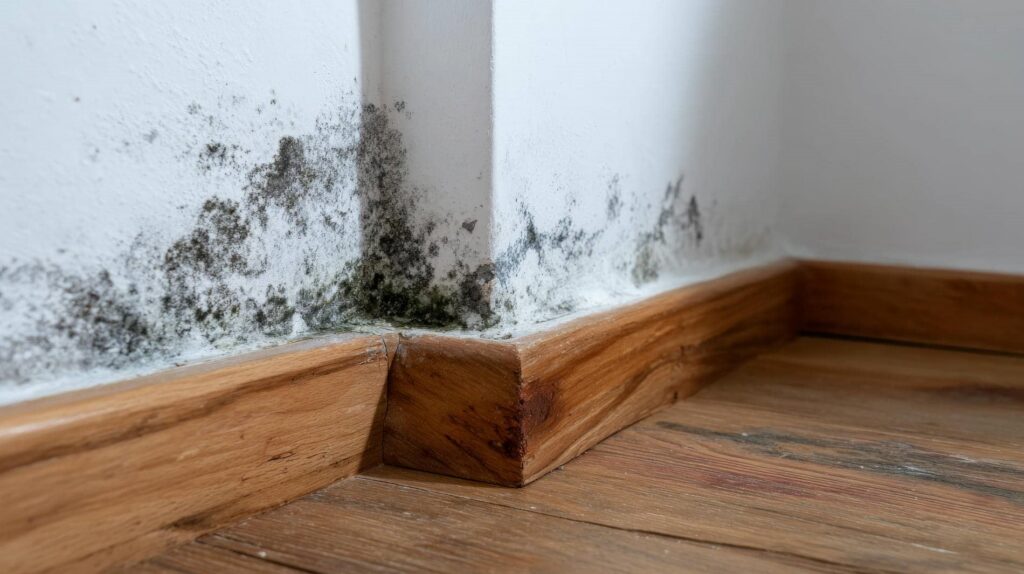
When you’re dealing with the aftermath of flooding, it’s essential to assess the extent of mold growth as soon as possible. Start by examining visible areas, especially those with high moisture levels.
Mold growth patterns can provide insight into how long the mold has been present and its potential spread. Pay attention to corners, under sinks, and behind appliances, as these are common hiding spots.
Environmental factors play a significant role in mold proliferation. Check humidity levels in your home; higher humidity can accelerate growth.
Consider the temperature, as warmer conditions often foster rapid mold development. Additionally, evaluate the materials affected—wood and drywall are particularly susceptible.
Ensuring Safety Precautions
After evaluating the extent of mold growth, it’s crucial to prioritize safety precautions before starting any cleanup efforts.
First, you should equip yourself with the appropriate protective gear, including gloves, goggles, and N95 respirators, to shield yourself from harmful spores. This ensures you’re protected while working in a potentially hazardous environment.
Next, make sure your workspace is well-ventilated. Open windows and use fans to create airflow, minimizing exposure to airborne mold particles. If possible, designate a specific area for cleanup to contain any spread of mold.
Identify and remove any items that could pose a risk to your health, like wet insulation or carpeting.
By taking these steps, you’re protecting yourself and contributing to a safe environment for everyone involved.
Removing Contaminated Materials
When you assess flood damage, it’s vital to identify all affected materials, as some may harbor mold and contaminants.
You’ll need to implement safe disposal methods to prevent further health risks, and consider replacement strategies for items that can’t be adequately cleaned.
This process is essential for achieving a thorough mold removal and restoring your space effectively.
Identify Affected Materials
Identifying affected materials is essential for effective mold removal after flooding, as any contaminated items can pose health risks and hinder recovery efforts.
Start by inspecting all surfaces, including walls, ceilings, and flooring, for visible mold growth or water damage. Look for signs of moisture, as these areas are likely to harbor mold spores.
Pay special attention to porous materials like drywall, carpets, and upholstery, which can absorb water and become breeding grounds for mold. Non-porous surfaces, such as metal or plastic, should also be checked, as mold can cling to them.
Safe Disposal Methods
Once you’ve pinpointed the materials affected by flooding, it’s vital to address their safe disposal to prevent further mold growth and health risks.
Contaminated items, such as carpets, drywall, and insulation, often harbor biological hazards that can threaten your health. Follow local waste regulations when disposing of these materials to ensure compliance and safety.
Seal the items in heavy-duty plastic bags before removing them from your home, minimizing the risk of spreading spores. Always wear protective gear, including gloves and masks, while handling contaminated materials.
If you’re unsure about the disposal process, consult local authorities or waste management services for guidance.
Taking these steps protects your home and your community from potential health risks associated with mold exposure.
Replacement Strategies
To effectively manage mold contamination after flooding, replacing affected materials is essential for restoring your home’s safety and integrity.
Start by identifying which materials, such as drywall, insulation, and flooring, are beyond salvage. For replacement options, consider mold-resistant materials, which can greatly reduce future mold growth. These include treated wood, cement board, and specially designed drywall.
When replacing, verify that new materials are installed correctly to prevent moisture accumulation. Additionally, always consult with professionals if you’re unsure about the extent of contamination.
Using HEPA Vacuum Cleaners
Using HEPA vacuum cleaners is an effective strategy for removing mold spores after flooding, and it can greatly enhance your cleanup efforts.
These specialized vacuums utilize HEPA filters, which capture 99.97% of particles, including tiny mold spores that ordinary vacuums might miss. When you’re tackling a mold problem, it’s vital to ensure that your vacuum is equipped with a HEPA filter to maximize efficiency.
Regular vacuum maintenance is essential for peak performance.
Check the filter regularly, and replace it as needed to maintain its effectiveness. Additionally, make sure the vacuum’s components are clean and functioning properly to prevent mold spores from recirculating into the air.
Applying Mold Removal Solutions
When floodwaters recede, applying mold removal solutions becomes vital to prevent further growth and health risks. Start by selecting effective mold removal products, such as biocides or commercial cleaners specifically designed for mold eradication.
Before you begin, ensure proper ventilation in the area to minimize inhalation exposure.
Use application techniques that maximize the effectiveness of these products. Spray the solution directly onto affected surfaces to ensure thorough coverage. Allow the product to dwell for the recommended time to kill mold spores effectively, as this step is significant.
For porous materials like drywall, consider replacing them if they’re heavily contaminated. After application, scrub surfaces with a brush to remove stubborn mold and rinse thoroughly.
Keep in mind, consistency in your approach is key. By diligently applying these mold removal solutions, you’ll create a safer environment for you and your loved ones, fostering a sense of belonging and security in your home.
Utilizing Dehumidifiers
After applying mold removal solutions, managing humidity levels is a key step in preventing mold’s return. Dehumidifiers play an essential role in this process.
You’ll find various dehumidifier types, such as refrigerant, desiccant, and whole-house models, each suited for different needs and spaces. Choosing the right type can enhance humidity control in your home, ensuring moisture levels stay below 60%.
For smaller rooms, a portable dehumidifier works well, while larger areas may require a whole-house unit. You should monitor humidity levels regularly with a hygrometer, adjusting your dehumidifier settings accordingly.
Remember, keeping humidity in check not only helps prevent mold regrowth but also contributes to a healthier living environment. By actively managing moisture, you create a space where you and your loved ones can thrive, free from the worries of mold and its health risks.
Invest in effective humidity control today for lasting peace of mind.
Improving Ventilation
To effectively combat mold growth after flooding, improving ventilation in your space is essential.
You can start by opening windows and doors to promote airflow, while strategically using fans to circulate air.
Additionally, employing dehumidifiers will help maintain ideal humidity levels and further inhibit mold development.
Open Windows and Doors
Opening windows and doors is essential for improving ventilation in spaces affected by flooding. By doing this, you invite fresh air into the environment, greatly aiding in mold removal.
Natural ventilation helps to reduce humidity levels, which is vital since mold thrives in damp conditions. When you allow airflow, you create a dynamic exchange that dilutes musty odors and accelerates drying processes.
It’s important to monitor the outdoor conditions; if it’s rainy or humid outside, you might need to balance opening windows with other measures. However, in drier weather, the impact of letting in fresh air can’t be overstated.
This simple action fosters a healthier environment, allowing you and your loved ones to breathe easier as you tackle mold issues effectively.
Use Fans Strategically
While improving ventilation through open windows and doors is beneficial, using fans strategically can further enhance the drying process and reduce humidity levels.
Proper fan placement and understanding airflow direction are essential for effective mold removal.
To maximize your efforts, consider these tips:
- Position fans to push air out of the space, helping to reduce moisture.
- Place fans near damp areas to concentrate airflow where it’s needed most.
- Use multiple fans to create a cross-ventilation effect, ensuring air circulates efficiently.
Employ Dehumidifiers Effectively
Three essential steps can help you employ dehumidifiers effectively to combat mold growth after flooding.
First, focus on proper dehumidifier placement. Position your unit in areas with the highest moisture levels, like basements or laundry rooms, to maximize moisture control.
Second, keep windows and doors closed while running your dehumidifier to prevent outside humidity from interfering with its effectiveness.
Finally, monitor humidity levels using a hygrometer. Aim for a range of 30-60% relative humidity to inhibit mold growth.
By following these steps, you’ll create a healthier environment for yourself and your loved ones, ensuring that the air you breathe is clean and dry.
Taking these actions shows your commitment to maintaining a safe home for everyone.
Sealing and Insulating Affected Areas
After flooding, sealing and insulating affected areas is essential to prevent mold growth and further structural damage.
You’ll want to use mold-resistant materials and effective insulation techniques to protect your home and loved ones. Here are some key steps to contemplate:
- Ascertain all surfaces are dry before sealing to avoid trapping moisture.
- Choose high-quality mold-resistant materials for walls and insulation.
- Regularly inspect for signs of moisture to maintain a healthy environment.
Conducting Post-Removal Inspections
After you’ve removed mold, conducting thorough post-removal inspections is essential to ensure the area is truly safe.
You’ll want to utilize visual inspection techniques, moisture measurement tools, and surface testing methods to identify any remaining issues.
Visual Inspection Techniques
Visual inspections are essential for evaluating the effectiveness of mold removal after flooding. By employing mold identification techniques and visual assessment tools, you can confidently determine the success of your efforts.
Start by closely examining areas prone to moisture, as these are often the first to harbor mold.
- Look for discoloration or stains on walls and ceilings.
- Check for any lingering musty odors that could indicate hidden mold.
- Inspect ventilation systems, as mold can thrive in ducts.
Completing this thorough inspection not only reassures you of a safe environment but also fosters a sense of belonging within your community.
Taking these steps shows your commitment to a healthy living space for you and those around you.
Moisture Measurement Tools
Moisture measurement tools play an essential role in ensuring a thorough post-removal inspection for mold after flooding.
Using moisture meters, you can accurately assess the dampness of various materials, helping you identify hidden moisture pockets that might promote mold growth. These tools provide immediate readings, allowing you to make informed decisions about further remediation efforts.
Additionally, humidity gauges are critical for monitoring the overall humidity levels in your space. Keeping humidity below 60% is important for preventing mold resurgence.
By effectively using these moisture measurement tools, you’ll ensure a healthier environment and foster a sense of community well-being among those affected.
Embrace these technologies; they’re your allies in achieving a mold-free home.
Surface Testing Methods
How can you ensure that all mold has been effectively removed from surfaces after flooding? Conducting thorough surface testing methods is essential for peace of mind.
Mold testing involves taking surface samples from affected areas to identify any lingering spores. Here’s what to keep in mind:
- Safety: Ensuring a healthy environment for you and your loved ones.
- Confidence: Knowing your home is mold-free allows you to relax.
- Community: Sharing your success in mold removal strengthens bonds with neighbors.
After collecting surface samples, send them to a lab for analysis. This step confirms whether mold remains and helps you take further action if needed.
Preventing Future Mold Growth
Although eliminating existing mold is crucial, preventing future mold growth requires a proactive approach to your indoor environment. Start by using mold-resistant materials in areas prone to moisture, like bathrooms and basements. These materials can greatly reduce the risk of mold taking hold.
Regular inspections of your home are important; checking for leaks, damp spots, and signs of mold can help you catch problems before they escalate.
Improve ventilation by using exhaust fans in high-humidity areas and keeping air circulating with ceiling fans. Make sure your home’s humidity levels stay below 60% by using dehumidifiers when necessary.
Additionally, clean and maintain gutters to prevent water from pooling around your foundation. By adopting these strategies, you create a healthier living space, fostering a sense of community in your home that values safety and well-being for everyone.
Recap
In the battle against mold after flooding, your vigilance is your strongest ally. By carefully evaluating, removing contaminated materials, and using effective solutions, you can reclaim your space from the clutches of mold. Remember, this isn’t just about cleaning; it’s about creating a sanctuary for your health and well-being. With ongoing inspections and preventive measures, you can fortify your home against future threats, ensuring it remains a safe haven for you and your loved ones.
Recent Posts
What Is Soot Odor Mold Restoration?
After a kitchen fire leaves soot on your walls and a musty smell in the
What Repairs Stop Mold After Water Damage
To Stop Mold After Water Damage, you need to fix the moisture source first, then
Why Does Leak Water Damage Cause Mold?
Like a slow leak in a ship’s hull, water damage in your home keeps feeding