
Contents
After a kitchen fire leaves soot on your walls and a musty smell in the carpet, you need more than a simple cleanup. Soot odor mold restoration removes smoke residue, neutralizes lingering odors, and treats moisture-driven microbial growth before it spreads. You’ll use targeted cleaning, drying, and deodorizing methods to recover materials and reduce health risks, but the process changes depending on what was damaged and how long it’s been exposed.
Key Takeaways
- Soot odor mold restoration removes smoke residue, mold growth, and lingering odors from affected indoor spaces.
- It uses specialized cleaning, drying, deodorizing, and containment methods beyond standard household cleaning.
- Restoration addresses hidden damage in walls, ducts, insulation, and other porous materials.
- A full inspection identifies contamination, followed by removal of unsalvageable items and HEPA-based cleaning.
- Preventive steps include controlling moisture, fixing leaks, maintaining HVAC systems, and keeping humidity below 60%.
What Is Soot and Mold Restoration?
Soot and mold restoration is the process of removing smoke residue, microbial growth, and related contaminants from a damaged property and then cleaning, drying, and deodorizing affected materials. You use it to return indoor spaces to safe, usable condition after a loss.
The work typically includes inspection, containment, soot cleanup, surface cleaning, moisture control, mold removal, and final odor treatment. You’ll often need specialized tools and methods because standard cleaning won’t reach hidden residues or contaminated materials.
A trained team helps you protect what can be salvaged, reduce health risks, and restore a consistent environment. When you understand this process, you can make informed choices and feel confident that your property’s recovery is being handled with care and precision.
How Soot, Smoke, and Mold Damage Spread
Once soot, smoke, or moisture enters a building, damage can spread far beyond the original source. You’re dealing with particles, gases, and spores that travel through air currents, HVAC ducts, porous materials, and wall cavities.
Different soot sources leave acidic residues that etch surfaces and cling to fabrics. Smoke odor can migrate into insulation and hidden voids. Moisture supports mold growth, and varied mold types colonize drywall, wood, and dust when humidity stays high.
- Airflow carries contamination room to room.
- Porous materials absorb odor and residue.
- Hidden cavities trap smoke and moisture.
- Spores spread when conditions stay damp.
You’re not alone in this; understanding the pathways helps you protect your space and act with confidence.
Signs You Need Soot and Mold Restoration
If you notice persistent smoky odors, dark residue on walls or vents, discoloration on ceilings, or a musty smell that doesn’t go away, you likely need soot and mold restoration.
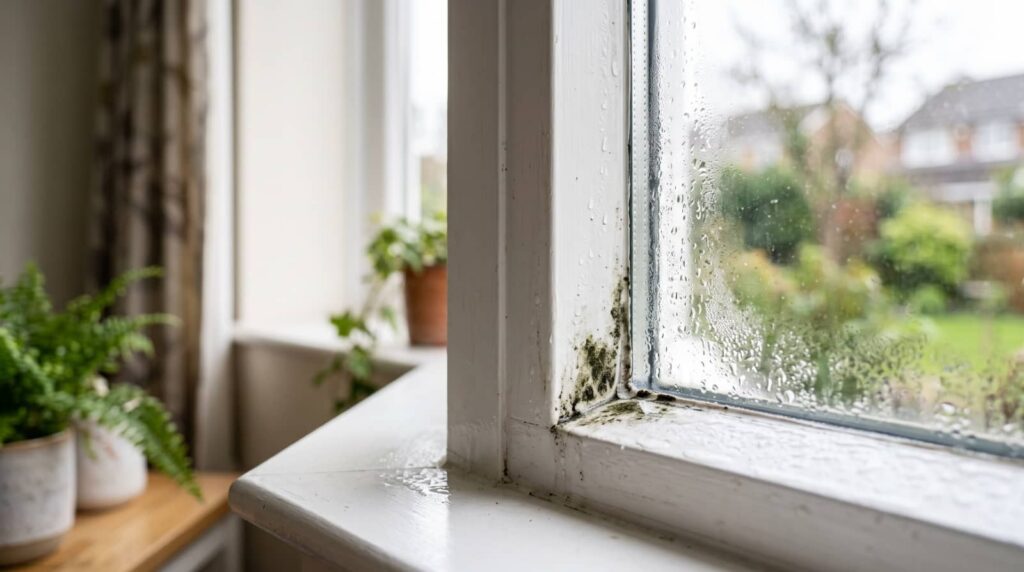
You may also see peeling paint, warped materials, or damp spots after fire or water exposure. These signs tell you contamination is active, not just cosmetic.
When soot clings to surfaces, it can keep releasing odor and particles into your space. When moisture lingers, mold can spread fast and affect indoor air quality.
Acting early supports soot removal and mold prevention, and it helps protect your home’s structure and your comfort.
If these symptoms feel familiar, you’re not alone, and you don’t have to ignore them.
How Soot and Mold Restoration Works
A proper soot and mold restoration process starts with a full inspection to identify affected materials, moisture sources, and the extent of contamination.
You then isolate the workspace, remove unsalvageable items, and document each impacted area so your team stays aligned.
Specialized restoration techniques target soot residue and mold growth with dry cleaning, HEPA vacuuming, and controlled antimicrobial treatment.
- Assess surfaces for hidden damage.
- Contain debris and airborne particles.
- Clean structural components and contents.
- Verify air quality after treatment.
You’ll also see dehumidification and targeted drying used to stabilize materials before final cleaning.
This process reduces odor, limits cross-contamination, and helps you regain a safe, familiar space with confidence.
How To Prevent Future Damage
To prevent future soot and mold damage, you should control the two primary drivers: moisture and combustion residue. Keep indoor humidity below 60%, fix leaks fast, and ventilate kitchens, baths, and laundry rooms.
Clean HVAC filters, inspect ducts, and service fuel-burning appliances so soot doesn’t spread. Use dehumidifiers in damp areas and seal crawlspaces if needed.
After any smoke event, remove residue immediately with proper cleaners, not water alone. Your prevention tips should include routine roof, gutter, and plumbing checks, plus prompt drying after spills or floods.
Build a maintenance checklist with monthly inspections, filter changes, and seasonal appliance servicing. When you stay consistent, you protect your home, reduce odors, and keep your space healthier for everyone inside.
Frequently Asked Questions
How Long Does Soot Odor Restoration Usually Take?
Usually, you’ll need one to five days for soot odor restoration, depending on damage and ventilation. Your restoration timeline can stretch longer if odor removal requires deep cleaning, sealing, or repeated treatments.
Is Soot and Mold Restoration Covered by Homeowners Insurance?
It often is, but you’ll need your policy reviewed. Insurance coverage depends on the cause, exclusions, and proof of damage. You should file restoration claims quickly, document losses, and work with your adjuster.
Can I Stay in My Home During the Restoration Process?
You can stay, ironically, if you enjoy a home that’s temporarily a science lab. Verify safety measures and air quality first; if crews contain contaminants well, you’ll usually remain inside during restoration.
What Should I Do Before the Restoration Team Arrives?
You should clear access, remove valuables, and document damage first. Follow preparation steps, shut off HVAC if instructed, and take safety precautions by keeping kids, pets, and occupants away from affected areas.
How Much Does Soot Odor Mold Restoration Typically Cost?
You’ll typically pay $1,500–$10,000, depending on cost factors like damage size, contamination level, and access. Restoration methods, including cleaning, deodorizing, and mold remediation, can raise or lower your total. Get quotes from trusted pros.
Conclusion
You can see how soot, smoke, and mold can spread like a hidden stain through your home, settling into surfaces, air, and materials. When you act quickly, you limit damage, reduce odors, and protect indoor air quality. Professional restoration helps you clean, dry, and deodorize affected areas so your space feels safe again. By controlling moisture and addressing contamination early, you’ll prevent future growth and keep your property in better condition.
Recent Posts
What Repairs Stop Mold After Water Damage
To Stop Mold After Water Damage, you need to fix the moisture source first, then
Why Does Leak Water Damage Cause Mold?
Like a slow leak in a ship’s hull, water damage in your home keeps feeding
Ceiling Leak Water Damage Mold Repair Guide
You notice a ceiling stain the same day a drip starts, and that coincidence matters