
Contents
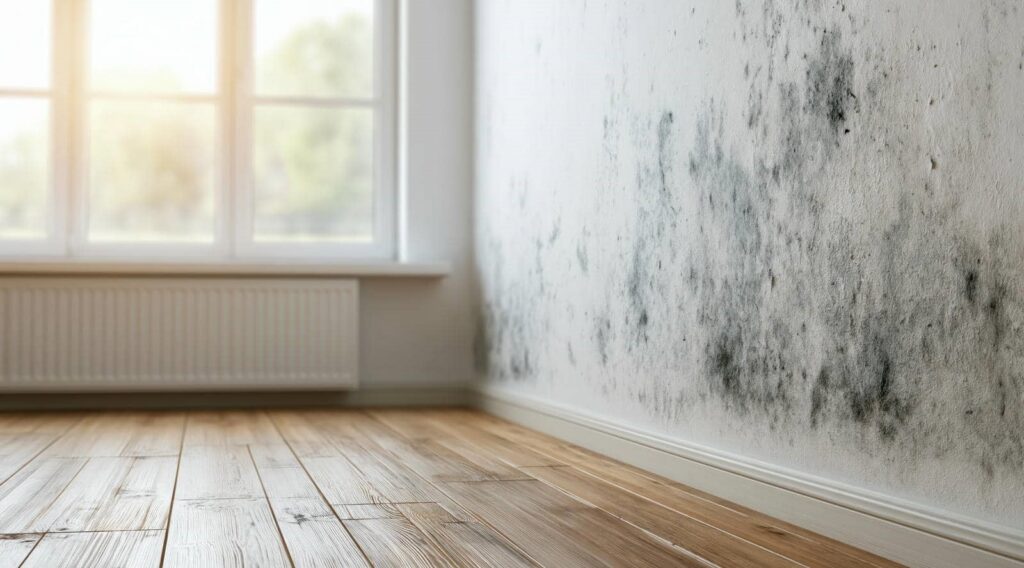
After a storm, addressing mold remediation is essential to protect your home and health. You need to quickly assess the extent of the water damage, as this sets the stage for effective remediation. Implementing proper drying techniques can greatly reduce humidity levels, but it’s equally important to know how to handle contaminated materials. Understanding these critical steps can make all the difference in preventing mold growth and safeguarding your environment.
Key Takeaways
- Identify and address the water source immediately to prevent further damage and mold growth.
- Utilize commercial dehumidifiers and fans to lower humidity levels below 60%.
- Remove contaminated materials safely, wearing protective gear and disposing of them properly.
- Regularly inspect hidden areas like basements for signs of moisture or mold growth.
- Document the remediation process thoroughly to support insurance claims and future prevention efforts.
Assess the Extent of Water Damage
How can you accurately assess the extent of water damage in your home after a storm? Start by identifying the water source—whether it’s from flooding, roof leaks, or windows.
Once you know where the water came from, move to the damage assessment. Check for visible signs like discoloration, peeling paint, or warped floors. Use a moisture meter to measure levels in walls and floors, ensuring you cover all areas, including hidden spaces like basements and attics.
Document your findings with photos, noting the severity of each affected area. Pay close attention to materials that absorb moisture, such as drywall and insulation, which may harbor mold if not addressed quickly.
If you spot any mold growth, it’s essential to act fast. This thorough assessment sets the stage for effective remediation, ensuring your home remains a safe and welcoming space for you and your loved ones.
Implement Effective Drying Techniques
Once you’ve assessed the extent of water damage, it’s crucial to implement effective drying techniques to prevent mold growth.
Start by using dehumidification strategies, such as deploying commercial dehumidifiers to reduce moisture levels in affected areas. Aim for a relative humidity below 60%, which creates an environment less conducive to mold proliferation.
Additionally, enhance air circulation by opening windows and using fans to promote airflow throughout the space. Position fans strategically to direct airflow across wet surfaces, accelerating the drying process.
Remember, keeping the air moving helps evaporate moisture more efficiently, reducing the time your property remains damp.
Regularly monitor moisture levels using a hygrometer to verify your efforts are effective.
Properly Remove and Dispose of Contaminated Materials
Removing and disposing of contaminated materials is essential to prevent mold growth after a storm.
To ensure a thorough process, follow these steps:
Identify Contaminated Items: Use mold identification techniques to determine which materials, like drywall and carpeting, are unsalvageable.
Wear Safety Gear: Always wear gloves, masks, and goggles to protect yourself from exposure to mold and harmful particles.
Seal Materials: Place contaminated items in plastic bags or containers to avoid spreading spores during removal.
Dispose Properly: Follow local regulations for disposal of contaminated materials, ensuring they’re taken to a designated waste facility.
Final Thoughts
In the aftermath of a storm, your swift action can be the difference between recovery and a lingering health threat. By evaluating water damage, employing effective drying techniques, and properly disposing of contaminated materials, you take essential steps to protect your home and well-being. Remember, just as the phoenix rises from the ashes, your diligence can restore your living space to safety and health, preventing mold from taking root and ensuring a fresh start for you and your family.
Recent Posts
5 Steps for Flood Water Recovery
When floodwater enters your space, you need to act in a strict sequence. Flood Water
How to Restore Water Damage After Flood
After a flood, you’re facing more than a little cleanup, and your first move is
7 Smoke Odor Removal Tips After Water Damage
Smoke odor after water damage can linger in places you’d never think to inspect first.