
Contents
After a storm, your home can look like it’s been through a war zone, with hidden damage lurking everywhere. It’s vital that you approach the assessment methodically to ensure nothing is overlooked. From the roof to the foundation, every inch of your property deserves attention. Understanding what to look for and how to document it can make all the difference when dealing with insurance claims and necessary repairs. Let’s explore effective strategies for this essential task.
Key Takeaways
- Wear appropriate safety gear and prepare an emergency kit before assessing storm damage to ensure personal safety.
- Conduct a thorough visual inspection of both the home’s exterior and interior for signs of structural damage and water intrusion.
- Document all damage with clear photographs and detailed notes for insurance claims and future reference.
- Check for electrical and plumbing concerns, as storm damage can compromise safety and functionality in these systems.
- Seek professional help for accurate damage assessment, repair recommendations, and assistance with insurance processes.
Understanding Common Types of Storm Damage
When storms hit, understanding the types of damage they can cause is essential for evaluating the impact on your home. Different storm types, such as hurricanes, tornadoes, and thunderstorms, produce distinct damage signs.
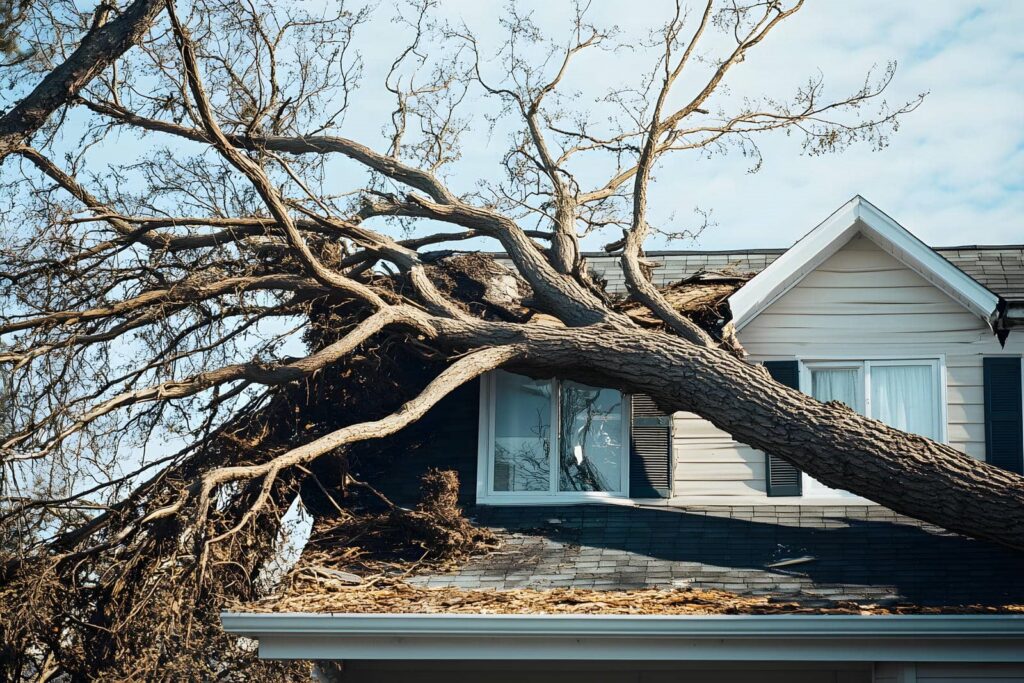
For instance, hurricanes often lead to roof damage and flooding, while tornadoes can result in significant structural failures. Thunderstorms may cause hail damage or fallen trees, which can crush your roof or vehicle.
Identifying these damage signs early on is important. Check for missing shingles, leaks, or warped siding after a storm. Water stains inside your home may indicate roof leaks, while cracked foundations can signal severe storm impact.
Safety Precautions Before Assessing Damage
After a storm, evaluating damage is essential, but safety should always come first.
Before you head outside, take a moment to prepare yourself. Wear appropriate safety gear, including sturdy boots, gloves, and a hard hat, to protect against any sharp debris. It’s also wise to have an emergency kit on hand, filled with essential supplies.
- Flashlight and extra batteries
- First aid supplies
- Non-perishable food and water
- Whistle for signaling help
Assess the surroundings carefully. Look for downed power lines and unstable structures before entering your home or yard. Avoid any standing water, as it may be electrically charged.
By prioritizing safety, you protect yourself and ensure you can assess the damage effectively and take the necessary next steps for recovery.
Visual Inspection Techniques for Home Exteriors
When inspecting your home’s exterior for storm damage, start with a thorough assessment of the roof condition, looking for missing shingles or leaks.
Next, check the siding for cracks, dents, or other signs of impact that could undermine its integrity.
Finally, inspect all windows and doors for broken seals or shattered glass, ensuring they remain secure and watertight.
Roof Condition Assessment
Evaluating your roof’s condition after a storm is essential for identifying potential damage before it escalates into costly repairs.
A thorough visual inspection can help you spot issues like roof leaks and shingle damage early on. Here are some techniques to contemplate:
Check for missing or curled shingles: This can indicate underlying damage.
Look for granule loss: Excessive granule loss can compromise your roof’s integrity.
Inspect flashing and seals: Verify they’re intact; weak seals can lead to leaks.
Examine gutters and downspouts: Clogged or damaged gutters may signal drainage issues that can affect your roof.
Siding Damage Identification
Once you’ve assessed your roof for damage, it’s important to turn your attention to the siding of your home.
Start by examining the siding materials for visible signs of wear or damage, such as cracks, dents, or missing pieces. Pay close attention to corners and seams, as these areas are often vulnerable.
Look for discoloration or warping, which may indicate underlying issues. If you find damage, consider your repair options; you might be able to patch minor issues or, for more extensive damage, replace entire sections.
Document your findings, as this will be helpful for insurance claims. By carefully inspecting your siding, you can ensure your home remains safe and visually appealing after a storm.
Window and Door Checks
As you assess your home for storm damage, don’t overlook your windows and doors, which can also be susceptible to the elements. A thorough inspection of these areas is vital for maintaining your home’s integrity.
Start by checking for visible cracks or gaps in the window seals and door frames, as these can lead to drafts and water infiltration. Next, examine the glass for any signs of shattering or fogging, indicating potential breakage. Additionally, inspect the hardware on your doors and windows for corrosion or failure.
- Look for warped or misaligned frames.
- Verify all locks and latches function properly.
- Check for peeling paint or damaged caulking.
- Watch for signs of moisture buildup inside the panes.
Evaluating Interior Damage: Key Areas to Check
After addressing exterior damage, it’s essential to evaluate the interior of your home for any storm-related issues.
Start by inspecting ceilings and walls for signs of water damage or structural compromise, then check floors and carpets for stains or warping.
Finally, assess windows and doors to make sure they’re still properly sealed and functional, as these areas can greatly affect your home’s safety and comfort.
Inspect Ceilings and Walls
How can you effectively assess the condition of your home’s ceilings and walls after a storm? Start by closely inspecting for any signs of damage.
Look for ceiling stains, which can indicate water intrusion, and check for wall cracks that may suggest structural issues.
Here are key areas to focus on:
Ceiling stains: Identify the source of any discoloration to prevent further damage.
Wall cracks: Measure their width and length; larger cracks may require professional evaluation.
Peeling paint or wallpaper: This can signal moisture problems.
Mold growth: Inspect corners and hidden areas for any signs of mold, which can affect your home’s air quality.
Check Floors and Carpets
Inspecting your floors and carpets is essential for evaluating storm damage and determining the extent of interior issues.
Start by checking for signs of flood damage, such as water stains, discoloration, or warping in hardwood floors. Carpets may feel damp or have a musty odor, indicating moisture retention.
Remove any furniture from affected areas to get a clear view and inspect the padding beneath carpets for water accumulation.
It’s also important to conduct a mold inspection, as damp environments can foster mold growth, posing health risks.
If you find significant damage or mold, consider contacting professionals for remediation.
Addressing these issues promptly maintains your home’s value and ensures a safe, healthy living environment for you and your family.
Assess Windows and Doors
Windows and doors are critical access points that can reveal the extent of storm damage inside your home.
To effectively assess the situation, focus on these key areas:
Inspect window seals for cracks or gaps that may allow water infiltration.
Check door frames for warping or swelling, which can indicate structural damage.
Examine glass panes for cracks or breaks that compromise safety and security.
Look for water stains around windows and doors, signaling potential leaks.
Documenting Damage for Insurance Claims
When a storm leaves your home damaged, documenting the destruction becomes essential for filing an effective insurance claim. Start by taking clear photographs of all affected areas, including interiors and exteriors.
Make certain to capture close-ups of specific damage, such as broken windows or roof leaks, alongside wider shots for context. Create a detailed inventory listing damaged items, noting their condition and estimated replacement costs.
Gather any receipts or records related to repairs and maintenance, as these can support your claim during insurance processes. Keep a log of conversations with your insurance adjuster, noting dates and details discussed.
This damage documentation will streamline your claim and help ensure you receive fair compensation. By being thorough and organized, you’ll strengthen your case and navigate the insurance process with greater confidence, fostering a sense of security in your community.
When to Seek Professional Help for Damage Assessment
After you’ve thoroughly documented your storm damage, it’s important to evaluate whether professional help is necessary for a detailed evaluation.
While you may feel capable of judging the damage, certain situations warrant the expertise of professional services. Consider seeking help if:
- You notice structural damage that affects the integrity of your home.
- Electrical systems or plumbing appear compromised, posing safety risks.
- Mold or water intrusion is evident, indicating potential long-term damage.
- You need assistance managing insurance claims and damage evaluation.
Engaging professionals can provide an objective evaluation, ensuring all damage is accurately identified and documented.
This helps your recovery and fosters a sense of community support as you connect with experts who understand your concerns.
Recap
Effectively evaluating storm damage involves a careful and methodical approach. By prioritizing safety and employing thorough visual inspection techniques, you can identify both exterior and interior issues that may require attention. Have you documented your findings for potential insurance claims? Remember, while you can handle many assessments yourself, don’t hesitate to seek professional help if the damage appears extensive. Taking these steps ensures you’re prepared for recovery and can safeguard your home against future storms.
Recent Posts
What Repairs Stop Mold After Water Damage
To Stop Mold After Water Damage, you need to fix the moisture source first, then
Why Does Leak Water Damage Cause Mold?
Like a slow leak in a ship’s hull, water damage in your home keeps feeding
Ceiling Leak Water Damage Mold Repair Guide
You notice a ceiling stain the same day a drip starts, and that coincidence matters